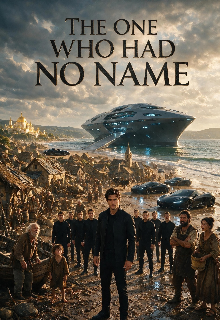
The One Who Had No Name
CHAPTER FOUR
The next day the sun came out late, as if it didn't want to see. The doors of the palace creaked. The great chief was standing on the highest step. He had his golden robe on again, but it hung loose on him. Eyes red. Face tense. He looked at his guards. There were fewer than before. Some hadn't come back. "I order," he said, and his voice came out hoarse. "That you sack the town. That you recover what they took from my palace." The guards looked at each other. They tightened their grip on their spears. "Go," the chief roared. "Recover all the goods. Bring back the wheat, the oil, the water. Sack every house." And they went out. They came down the marble streets and entered the mud town. But the town was no longer sleeping. The doors were open. In the squares there were long tables. The bread had been handed out. The children played with full jugs. The men were on the corners, with sticks, with tools, with steady eyes. When the guards came in shouting "In the name of the chief!", the women didn't bow their heads. "This is ours," one of them said. "We took it because it was ours." The guards moved forward. They tried to enter the first house. They pushed the door. And the town answered back. Not with gold. Not with spears. With their bodies. With their voices. With the hunger they no longer had. "Out!" they shouted. "This coast is ours!" The mud rose up. Dust covered the guards. One threw a spear on the ground and left. Another dropped the empty sack. The chief, from up in his palace, heard the shouts. He leaned out the windows. Down below, he didn't see looting. He saw the people standing, with bread in their hands, looking up. And for the first time, the gold didn't weigh more than the people. The days passed. The town no longer asked permission to open the pantries. Water ran through the irrigation ditches. There was enough bread for everyone. The lights in the ovens didn't go out. And in the palace, the great chief shouted more and more alone. One night the guards who were left didn't go up to watch the throne. They threw down their spears and went down to ask the people for bread. The chief stayed upstairs, with the gold and the silence. At dawn they knocked on the palace door. Not with dynamite. With hands. The elders of the town came in. The mothers came in. The ten people of No Name came in. They didn't break anything. They just walked to the hall and stood in front of the throne. The great chief stood up. He tried to talk about gold, about laws, about coasts. No one listened. They brought him down the marble steps. They didn't touch his robe. They didn't take his rings. They just surrounded him. And they took him. They crossed the broken hall. They crossed the gate with no doors. They crossed the streets to the other side of town, where the old dungeons were. The same ones with damp stone and dripping water. They pushed the black iron door open. And so the great chief ended up in jail for being so evil. The door closed. The bolt fell. He stayed there, with his golden robe on, sitting on the cold floor, listening to the water drip. Upstairs, on the golden domes, the sun was shining and it no longer blinded. Down below, in the town, a little girl handed out the last loaf of bread and had half left over. The coast woke up.
#1564 en Otros
#75 en Aventura
#250 en Relatos cortos
Editado: 01.09.2026

Recomendaciones de libros,Códigos promocionales y Descuentos
Suscríbete al canal Booknet en Telegram y sigue los mensajes